

The avid backpacker, the passionate explorer, the traveller who wants to discover everything there is to see on the island – we hear you!
With so much to uncover and experience throughout North Cyprus, fitting such an array of unique attractions into ten days may seem understandably overwhelming.
That’s why we have compiled for you our recommendations to fit into 5 full days, taking you all over NCY and assisting you to readily visit many of the island’s exclusive highlights, leaving you only to sweat about the scorching sun!
If you are looking for something a bit more specific, also take a look at our “NCY For” feature which offers our top ten pick-of-the-list for families, youths, couples and retired vacationers.
And what’s more, we are working very hard to get together a brand new feature for our site which will allow you to customise and schedule your holiday day-by-day and download to your phone, before you arrive in North Cyprus.
St. Hilarion Castle
Inspiration for Walt Disney’s Sleeping Beauty
Perched high in the Kyrenia mountain range with unrivalled panoramic views of the island and the Mediterranean, St. Hilar...
Inspiration for Walt Disney’s Sleeping Beauty
Perched high in the Kyrenia mountain range with unrivalled panoramic views of the island and the Mediterranean, St. Hilarion is the best-preserved of the three former strongholds in the Kyrenia mountain range.
Originally built as a watch tower by the 10th century, this strategically located towering castle gave warning of approaching pirates who at the time continually launched a series of raids on Cyprus.
Built on three distinct levels, each one was designed to be self-sufficient and self-contained, all offering a differing insight to the castle’s diverse function.
A steep ascent of 732 metres above sea level, there are steps all the way to the very top and handrails to assist visitors as they climb. Make it there and you will receive a token picture alongside a foot soldier. On a clear day, visitors can see all the way to Turkey, such are the rewarding views from the peak.
Flat and stout shoes are advised and visitors should carry refreshments with them especially in the hotter months, readily available at the entrance café. If you start tackling the elevation early in the morning, you will back down before any blistering heat.
Click here to read more about this attraction.
Bellapais Abbey
Neighboured by Lawrence Durrell
Taking its name from the serene village it belongs to, Bellapais comes from the French ‘belle paix’ which translates as ‘b...
Neighboured by Lawrence Durrell
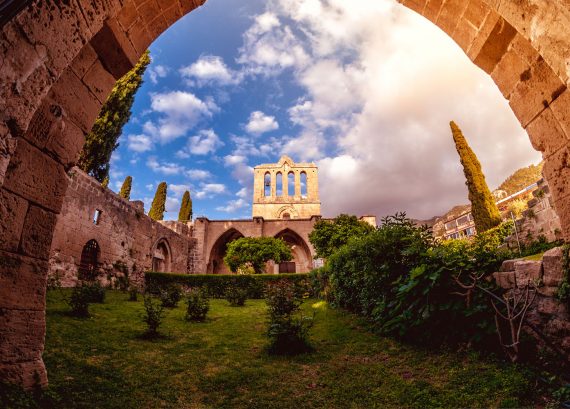
Taking its name from the serene village it belongs to, Bellapais comes from the French ‘belle paix’ which translates as ‘beautiful peace’.
Home to this magnificent 13th century abbey, its grandeur is visible from afar, while the views from its grounds across the beautiful North Cyprus landscape, Kyrenia and the Mediterranean beyond are simply breath-taking.
The first occupants known to settle on or near the site were the Canons Regular of the Holy Sepulchre, who had fled Jerusalem after its fall in 1187 to Saladin. The first buildings date between 1198 – 1205, whilst the main buildings as can be seen today were built during the rule of King Hugh III between 1267 – 1284.
A visit to Bellapais village and the Abbey will sate the senses and satisfy the soul. The world-famous English author Lawrence Durrell who wrote the book “Bitter Lemons” whilst living in Bellapais village between 1953-1956, constantly mentioned his admiration for the abbey, which he lived next to and is also an attraction for visitors.
After you have spent the hour admiring the abbey and walking along the surrounding quiet lanes and whitewashed houses, it may be time to stop off for lunch in one of the few neighbouring delicacies whilst admiring the amazing landscape.
Click here to read more about this attraction.
Kyrenia Castle
Conquered by Richard the Lionheart
If the grand fortifications of Kyrenia Castle could talk, many a tales could be told.
Standing majestically guard ove...
Conquered by Richard the Lionheart
If the grand fortifications of Kyrenia Castle could talk, many a tales could be told.
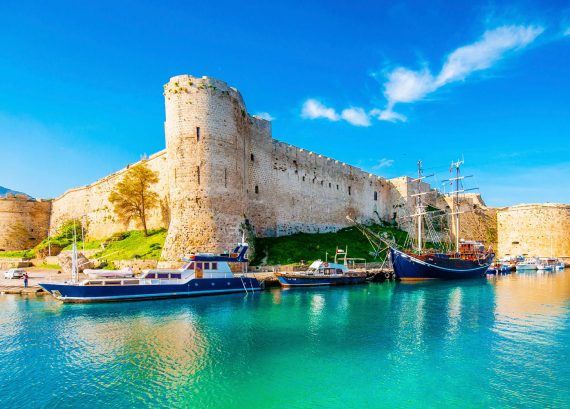
Standing majestically guard over the edge of Kyrenia’s shoe-shaped old harbour, the castle was first built by the Byzantines in the 7th century to guard the city against Arab maritime threats.
Subsequently every era of conquerors from King Richard I of England to the Ottomans has added its own touch to the castle’s bulk.
The remarkably preserved massive structure features a cistern, dungeon, chapel and two small museums, walking along the ramparts high above the harbour another exciting highlight of this site.
As well as offering a fascinating glimpse into the history of Cyprus as well as stunning views, Kyrenia Castle is home to the Shipwreck Museum, the setting for one of the world’s most important and well-preserved pieces of marine history.
Click here to read more about this attraction.
Kyrenia Shipwreck Museum
Fortuitous Discovery
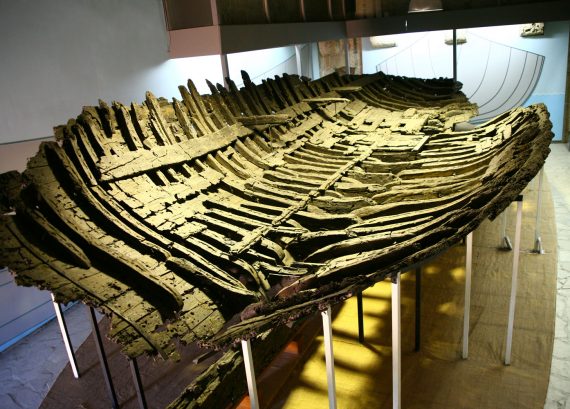
Next door to Kyrenia Castle, this unique museum contains the remains of the oldest shipwreck recovered from Cypriot waters.
The wrec...
Fortuitous Discovery
Next door to Kyrenia Castle, this unique museum contains the remains of the oldest shipwreck recovered from Cypriot waters.
The wreck of a 4th century Greek merchant ship discovered only coincidentally in 1965, this vessel sailed in the Mediterranean during the lifetime of Alexander the Great and his successors.
The ship exhibit is very well preserved with its majority in good condition and a much-warranted visit. Items on display are the original ones that she carried during her last voyage about 2,300 years ago.
Click here to read more about this attraction.
Kyrenia Harbour & Town Centre
Time for Relaxation & Shopping
In its heyday, just before the British occupation of the island in 1878, local boats conducted a thriving trade from Kyrenia Harbou...
Time for Relaxation & Shopping
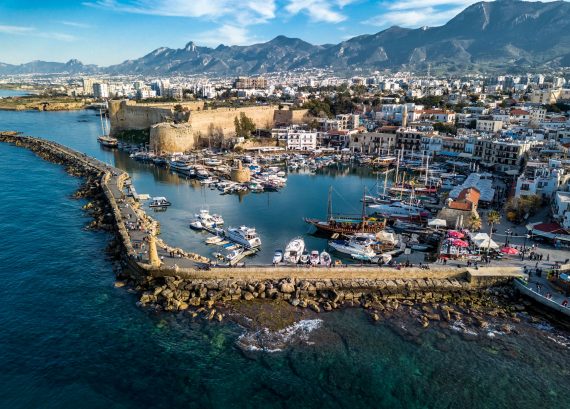
In its heyday, just before the British occupation of the island in 1878, local boats conducted a thriving trade from Kyrenia Harbour, trading olives, carobs, donkeys, earthenware, luxury items and much more.
In time two storied buildings emerged around the harbour and the owners used ground floors as warehouses and the first floor as accommodation.
Today Kyrenia Harbour is full of yachts and fishing boats and framed by the colossal hulk of its Crusader castle. The restaurants and bars surrounding the old horseshoe shaped port serve guests in a unique atmosphere and is a rare setting for loosening on your NCY holiday.
Adjacent to the town centre, visitors can spend the late afternoon shopping in many of the shops lining the narrow streets, from designer garments to traditional gifts to take home, you will come across a range of souvenirs to line your suitcase.
Visit the Round Tower built in around 1300 using recycled Roman stones, open to the public as a gift shop and art gallery, selling antique books, carpets, crocheted tablecloths, postcards, jewellery and displays works of art by local painters.
If you still have the energy and curiosity for some historic sites, why not search for some of the seventy catacombs dispersed around the town centre, dating back to 400AD.
If you want to complete the eventful day with a dinner in unique settings, the graceful arc of the harbourside will be filled with the tables of restaurants ready for the fresh evening serve. At night when the lights twinkle on the water this is a magical place to sit and enjoy a leisurely mezze accompanied by a Raki or traditional Brandy Sour.
Click here to read more about this attraction.
Incirli Cave
Explore the Speleology
The largest cave on the island, it sits hidden within a hill near the tiny village of Cinarli.
Its name derived from a near...
Explore the Speleology
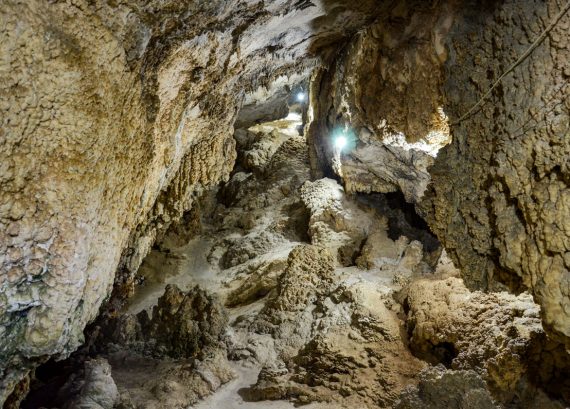
The largest cave on the island, it sits hidden within a hill near the tiny village of Cinarli.
Its name derived from a nearby fig tree, Incirli Cave is a naturally formed gypsum cave containing a fascinating collection of stalagmites and stalactites.
The only known developed gypsum topography cave in North Cyprus and even Turkey, it is very well illuminated for its visitors.
Two flights of steps take you from the small entrance down into the widest and longest part of the cave whichextends to a depth of 250 metres. It is between five to ten metres wide at varying points, and the height of the cave varies between four to seven metres, which is said changes according to the phases of the moon.
A fine example of the mysterious and astonishing world that caves represent for the curious and intrepid explorer, start the day off with a unique experience.
Click here to read more about this attraction.
Minia Open Air Museum
A Great Stop Off
If you are driving from Kyrenia or via Gecitkale to the famous Karpaz panhandle, en route you will pass by this unique museum, a firm favourite especially w...
A Great Stop Off
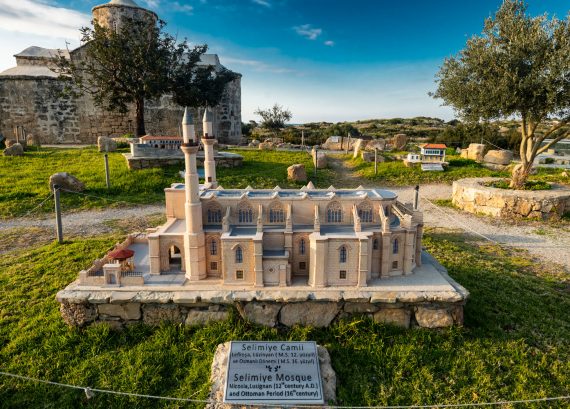
If you are driving from Kyrenia or via Gecitkale to the famous Karpaz panhandle, en route you will pass by this unique museum, a firm favourite especially with the kids but worthy of a stopover nevertheless for all.
The Minia Cyprus Open Air Museum is built on land that belongs to the thousand-year-old church Panayia Pergaminiotissa.
Miniature versions of over 25 different Cypriot artefacts are on display here, Kyrenia Castle, the Selimiye Mosque in Nicosia, and the Apostolos Andreas Monastery which you will actually visit later in the afternoon are all exhibited in these church gardens.
The church itself, although no longer accessible inside, features an interesting cylindrical apse, its roof in the form of a cross topped with a drum on which sits a small dome.
It will be a good 1,5 hours drive to the tip of the island so the onsite café serving local delicacies and refreshments as well as a public toilet is an advised visit before you continue the journey.
Click here to read more about this attraction.
Apostolos Andreas Monastery
Pray for Healing
For hundreds of years, the easternmost monastery on the island of Cyprus has served as an important resting place for followers of the Orthodox faith on the...
Pray for Healing
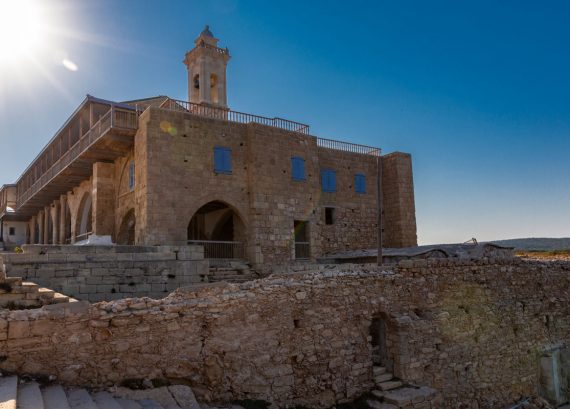
For hundreds of years, the easternmost monastery on the island of Cyprus has served as an important resting place for followers of the Orthodox faith on the pilgrimage to the Holy Land.
The oldest surviving part of the monastery is the small 15th century chapel which was built close to the shore and where to this day, the healing waters which Saint Andrew is said to have brought forth can still be collected.
As an important multi-faith place of pilgrimage, visitors from all over the world to this monastery offer their devotion or pray for healing.
Outside the spiritual convent visitors will come across various stalls selling local products and produce. Olive, oils and associated products are popular gifts to take home from North Cyprus, widely used not only in culinary but also in medicine and cosmetology.
The local pekmez (molasses) condiment, produced by boiling carob powder into a reduction is also a healthy favourite, naturally sweet and caffeine free.
By this time, hunger will also be kicking in, and you will find delicious local pastry and savouries to please your appetite and keep you going.
Click here to read more about this attraction.
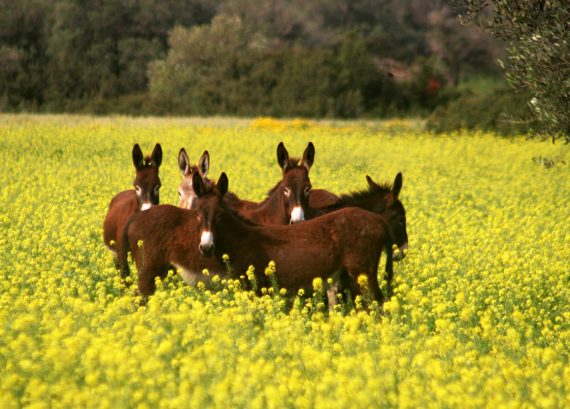
The Famous Cyprus Donkey
Don’t forget to Tag #VisitNCY
These Wild Donkeys undoubtedly have a special place among the fauna of North Cyprus and are a firm favourite with all visitors. ...
Don’t forget to Tag #VisitNCY
These Wild Donkeys undoubtedly have a special place among the fauna of North Cyprus and are a firm favourite with all visitors.
Domesticated around 4,000 BC, these mammals traditionally played an important role in agriculture on the Karpaz Peninsula, carrying olives from the groves and cereals from the fields to mills.
Replaced by tractors and trucks in the 1970’s, these donkeys were abandoned and left to fend for themselves but protected in what is known as the National Park.
On the way to and back from the monastery, you will encounter these amazing animals. Most are friendly and visitors will be able to feed them with carrots or carobs, also creating an opportunity to take a landmark selfie for the more courageous!
Before you do make your way back down though from Apostolos Andreas, you may want to continue for a further six minutes north east to reach the very tip of the island – an incredible experience for those wanting to go the extra mile and a welcome diversion from the hustle and bustle of everyday life further inland.
Click here to read more about these friendly creatures.
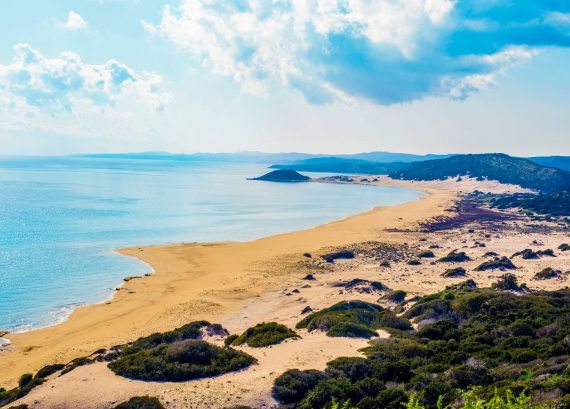
Golden Beach
Don’t forget to pack your Swimsuit
The Karpaz Peninsula is perhaps the Mediterranean’s last piece of unspoilt tranquillity, where green and azure meets history. Â...
Don’t forget to pack your Swimsuit
The Karpaz Peninsula is perhaps the Mediterranean’s last piece of unspoilt tranquillity, where green and azure meets history.
The world famous Karpaz Golden Beach, kilometres of golden sands and sea is referred to as the birthplace of Aphrodite, the goddess of love and beauty in mythology.
Never too crowded, the secluded beach is ideal for those seeking privacy and tranquillity whilst absorbing the sun and enjoying the sea blue. The surrounding waters have a wonderful clarity, with ample investigative opportunities for the budding snorkeller as well. Those of a less intrepid nature may opt for a spot of fishing instead.
Along with multiple amphibians, reptiles and birds passing through on their migration routes, the loggerhead and green sea turtles are also proud to regard this unspoilt stretch of land as home, sensing idyllic nesting grounds when they see them.
You will need to source your own refreshments though if you are planning to spend the afternoon here as there are no facilities on this isolated site, and any toilet requirements should be meticulously taken care of in the wild!
Click here to read more about beaches in NCY.
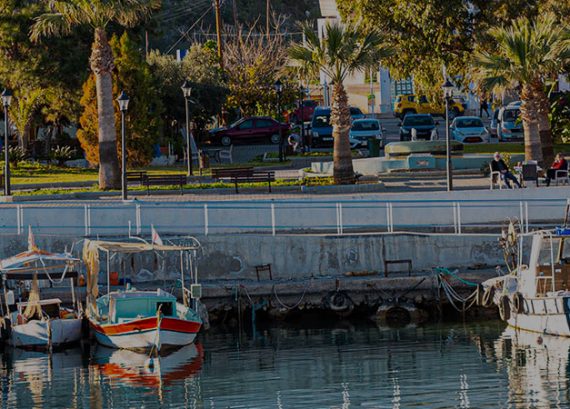
Visit Iskele
Catch of the Day
The scenic coastal drive along the west coast towards Karpaz is equally rivalled by the coastal return via the south east strip towards Iskele.
One o...
Catch of the Day
The scenic coastal drive along the west coast towards Karpaz is equally rivalled by the coastal return via the south east strip towards Iskele.
One of the largest towns in the North, Iskele is fast building a name for itself as an up and coming area, with wonderful beaches and restaurants in close proximity.
Legend has it is the very town that the Goddess Aphrodite brought the first fruit to in Cyprus.
The neighbouring fishing village of Boğaz is a delight to behold with an amazing array of seafood restaurants surrounding its petit harbour.
A perfect moment to reflect whilst scrolling though all your memorable photos of the day’s diverse and unique discoveries, all whilst watching the sunset over the calm Mediterranean.
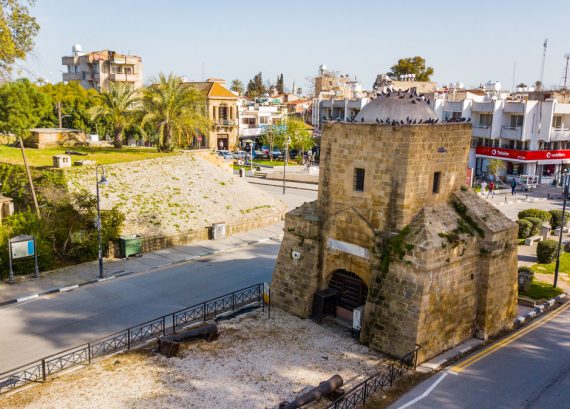
Kyrenia Gate
Time: 09:30 – 09:45
Inner Title: Porta del Provveditore
Start the day off at one of the three main gates in the Venetian wall...
Time: 09:30 – 09:45
Inner Title: Porta del Provveditore
Start the day off at one of the three main gates in the Venetian wall which encircles old Nicosia, providing access to the city from the north.
Built by the Venetians around 1562, it used to be called “Porta del Provveditore”, named after the Italian local district governor and engineer Francesco Barbaro. It was fitted with a portcullis and a still-visible lion of Saint Mark.
The gate has been kept in perfect condition throughout the years and remains one of the most attractive and well-preserved historic monuments in Nicosia.
The roads on either side of the gate which were built by the British in 1931, are still considered to be the main entry points into the old walled city of Nicosia, thus the Kyrenia Gate maintains its importance to this day.
Click here to read more about this attraction.
Dervis Pasha Mansion
Porta del Provveditore
It’s going to be busy day of walking within the old city, therefore why not pick a few local delicacies coming fresh out of the bakery oven to...
Porta del Provveditore
It’s going to be busy day of walking within the old city, therefore why not pick a few local delicacies coming fresh out of the bakery oven to nibble on and keep your energy levels high until lunch time.
The Venetians replaced the old-style medieval fortifications built by the Lusignans, which engineers deemed inadequate to defend the city. The new fortification complex had a total circumference near to five kilometres and held eleven pentagon-shaped bastions and three gates, all named after the noblemen of the time who sponsored the grand reconstruction.
A major tourist attraction, the walls and gates have also undergone restoration and are recognised among the best-preserved Renaissance fortifications in the Eastern Mediterranean.
Of the eleven bastions, five remain in the divided Turkish capital of Nicosia.
Click here to read more about this attraction.
The Great Inn
Originally a Gothic Church
The Haydarpasa Mosque was originally built as the St. Catherine Church by the Lusignans in the 14th century, becoming the second largest chu...
Originally a Gothic Church
The Haydarpasa Mosque was originally built as the St. Catherine Church by the Lusignans in the 14th century, becoming the second largest church in Nicosia at the time.
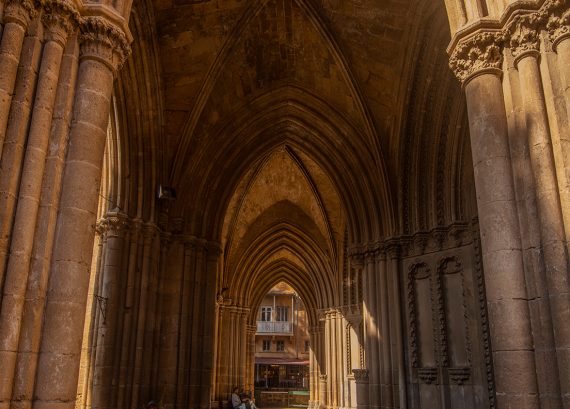
Constructed in the gothic flamboyant style of southern France during the 14th century Frankish rule of the island, it is the finest example of this design on the island, and the most notable Lusignan monument in the capital after Selimiye, which is next on the list.
The fine masonry of the Gothic south entrance, a masterpiece of detailed stone carvings of the Lusignan insignias on its frame along with an ornamental poppy, are notable features.
Inside, the building, which was used as part of the woman’s monastery during the Latin period, had some features added or modified during the Ottoman period but maintains its Gothic character.
This attraction is a must-do for curious explorers and religious edifice seekers.
Across the church courtyard, visitors will also find the house in which Lord Horatio Herbert Kitchener lived, a high ranking military officer of the British Army assigned to conduct the first full triangulated survey of the island as a new British colony in 1878-1882.
Click here to read more about this attraction.
Selimiye Mosque
Largest Surviving Historical Building in Nicosia
A walk over from Haydarpasha, historically known as Cathedral of Saint Sophia, this former Roman Catholic cathedral was c...
Largest Surviving Historical Building in Nicosia
A walk over from Haydarpasha, historically known as Cathedral of Saint Sophia, this former Roman Catholic cathedral was converted into a mosque after the Ottoman siege of the city.
The date cited for the laying of the foundation stone at this site is 1209 during the reign of the Lusignan King Henry I, building of which lasted over 100 years.
During the Lusignan rule, the cathedral served as the coronation church of the Kings of Cyprus. After the Genoese conquest of Famagusta, it also became the coronation church of the Lusignan Kings of Jerusalem, and finally, the Lusignan Kings of Armenia. It also housed the Trials of the Knights Templar in 1310.
When the Venetians built their walls of Nicosia, St. Sophia’s Cathedral became the centre of the city. This reflected the position of medieval European cathedrals, around which the city was shaped.
After the 50-day Ottoman siege of the city in 1570, the first Friday prayer on 15 September was attended by the commander Lala Mustafa Pasha and saw the official conversion of the cathedral into a mosque. During the same year, the two minarets were added as well as other Islamic features.
As well as being the most beautiful mosque in Nicosia, the Selimiye Mosque is also the largest and most attended of all, holding a maximum capacity of 2,500 worshipers As it still serves as a house of worship, there are no set times for visitors, who should try not to coincide with the five prayer times. You are allowed inside, shoes left behind at the entrance, modestly dressed and quiet.
Click here to read more about this attraction.
Bedesten
Over A Thousand Year History
The Bedesten is one of the most important historical buildings in Nicosia, reflecting the multicultural life and diverse past of the city.
<...Over A Thousand Year History
The Bedesten is one of the most important historical buildings in Nicosia, reflecting the multicultural life and diverse past of the city.
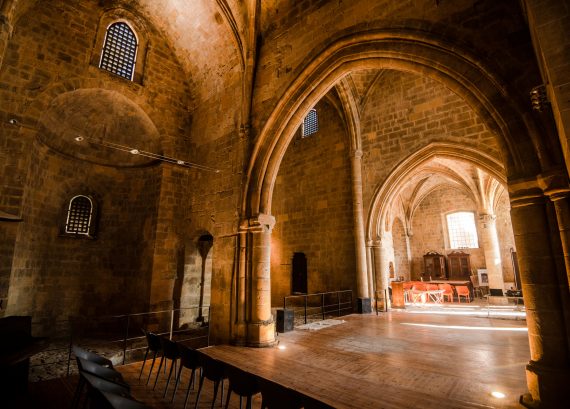
This structure has a long and complicated history spanning more than one thousand years. Originally built as a church in about the 6th century, it was expanded and rebuilt between the 12th and 16th centuries and converted to a covered market during the period of Ottoman rule.
The earliest history of the Bedesten is documented archaeologically by a Byzantine basilica, fragments of which are preserved inside the current building. When enlarged, Gothic additions were made by the Lusignans and after further changes by the Venetians, the building was handed over to the Greek Orthodox church, used as a cathedral.
Under the Ottomans, until the beginning of the British rule, the Bedestan was the busiest and most important marketplace in Nicosia, and slowly evolved into a marketplace where all kinds of goods were sold, especially textiles.
The Bedesten is as a multi-culture venue and exhibition space, hosting thousands of visitors each year and you will treasure this unique visit.
Click here to read more about this attraction.
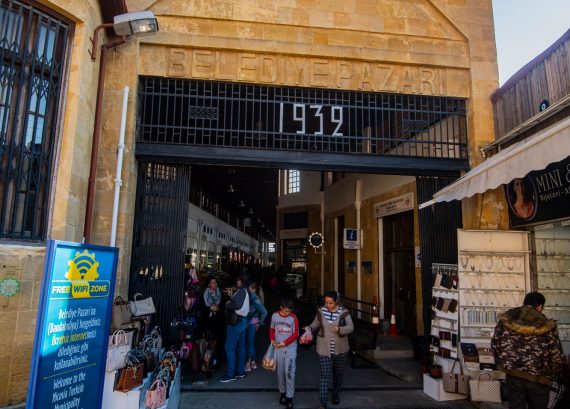
Bandabulya Nicosia
Time for A Bite to Eat
A few minutes’ walk away and you will arrive at this marketplace which has been operating for almost a century.
Built between 1930 and 1932, ...
Time for A Bite to Eat
A few minutes’ walk away and you will arrive at this marketplace which has been operating for almost a century.
Built between 1930 and 1932, during the British occupation, it was the main covered municipal market in Northern Nicosia. Not only could citizens find here everything from fresh fruit and vegetables to meats and other products, it was a public space where locals met and gathered with their families.
Here you will find stall selling all sorts of goods and items, and small cafés. If you are interested in tasting small local specialities, you will encounter a few small and rare restaurants that only serve pure Cypriot foods scattered near to the Bandabuliya.
Click here to read more about this attraction.

Fine Ottoman Architecture
Considered to be one of the finest buildings on the island, known as Büyük Han locally, it is the best-preserved example of Ottoman caravanser...
Fine Ottoman Architecture
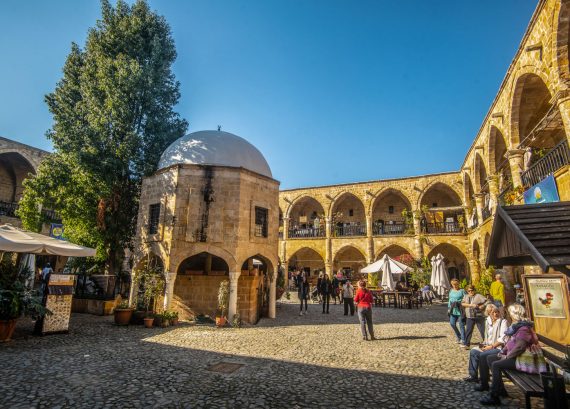
Considered to be one of the finest buildings on the island, known as Büyük Han locally, it is the best-preserved example of Ottoman caravanserai architecture and largest in Cyprus.
Located in the traditional market centre within the City Walls, it was built by the Ottomans in 1572, the year after they had seized Cyprus from the Venetians.
The Han was built to provide accommodation for travellers from Anatolia and other parts of Cyprus.
Square shaped, with 68 rooms over two floors, the ground floor rooms rimming the courtyard functioned as stables for horses, storage areas and shops where traders could carry out their business, and the floor above utilised as accommodation.
In the centre of the inner courtyard is a mescit(Muslim prayer room), built with stones from other buildings and balanced on six pillars over a şadırvan (Ablution fountain). A grave that lies to the southwest of the masjid is thought to belong to a high-standing person who died whilst worshipping in the masjid. With two entrances to the Han, this design is rare and similar only to two others located in Turkey.
Externally, the Han resembles a fortress, and upon the British takeover in 1878, the inn was restored for use as the Central Prison of Nicosia.
The inn has been revived as a thriving arts centre, consisting of several galleries and workshops, and has once again become the hub of North Nicosia’s Old City bustle. Folklore dance shows, piano recitals, drama displays are also common nowadays within the walls, and you may be fortunate to catch one on your visit.
Click here to read more about this attraction
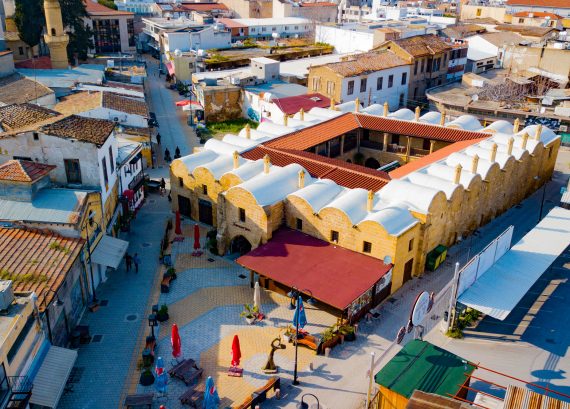
Gambler’s Inn
The Smaller Inn
Thought to be built around the end of the 17th century, it is much smaller and modest when compared with BüyükHan, but nonetheless typical of an Ottoman...
The Smaller Inn
Thought to be built around the end of the 17th century, it is much smaller and modest when compared with BüyükHan, but nonetheless typical of an Ottoman inner city commercial inn.
Similar to all caravansarai, the entrance leads to an open-air courtyard, which is surrounded by a two-storey building, originally containing 56 rooms. Those on the upper floors were used by travellers, while those on the ground floor were used for their animals and belongings.
A monumental carved gate at the entrance dates to before the Ottoman conquest, and experts believe that the structure stands on a much earlier building, possibly the ruins of a monastery.
This Han has been fully restored and is used as an attraction with cafes, restaurants, arts and craft shops.
Click here to read more about this attraction.
Insight into Turkish Cypriot Culture
This grand mansion located within the old city walls in the historical Arabahmet quarter of Nicosia bears the characteristics of t...
Insight into Turkish Cypriot Culture
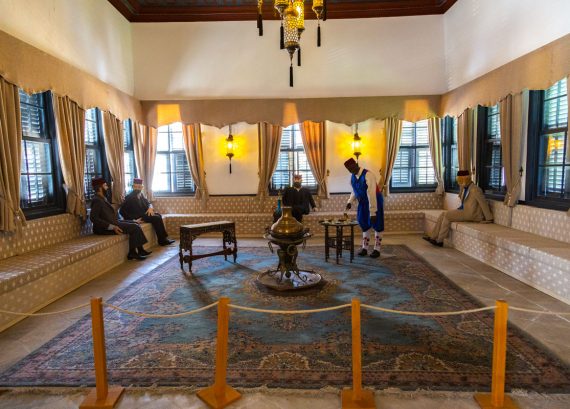
This grand mansion located within the old city walls in the historical Arabahmet quarter of Nicosia bears the characteristics of traditional architecture in North Cyprus.
Built over two floors in the early 19th century, the current mansion was built on an earlier Gothic building on the same site. It has two entrances, historically separated for men and women, and a keystone above the front door bears the inscribed Islamic calendar date equivalent to 1801.
It is considered to be one of the finest examples of Ottoman architecture and characteristically reflects the nature of old Cypriot lifestyles.
Notable traditional and ornate items alike reveal clues into the everyday life of Cypriots, whilst the furnishings of this house disclose household rituals of the time. The main room bears the date 1869 on its decorated ceiling boasting ornate wood carvings. Another well worth visit when sightseeing in the old walled city of Nicosia.
Click here to read more about this attraction.
Note.It is prudent to check opening hours of public museums as times vary between seasons and can change between days of the week as well.
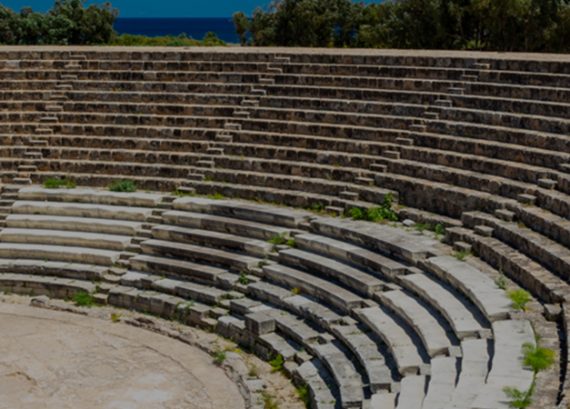
Salamis Ruins
Great Exploration Site
Ancient cities can be a window into the past of human society and Salamis serves as a reminder of the great cities that existed in antiquity and...
Great Exploration Site
Ancient cities can be a window into the past of human society and Salamis serves as a reminder of the great cities that existed in antiquity and an indicator of how far we have come in the past few centuries.
Salamis was believed to have been the capital of Cyprus as far back as 1100 BC, in the late Bronze Age.
Today this site extends over an area of one square mile extending along the North Cyprus coast and inland, revealing a glimpse back into time whilst still hiding its core, buried and yet revealed.
The ancient ruins conjure up scenes akin to The Odyssey, and perhaps even Homer had this site in mind when he penned his epic adventure.
Salamis is also believed to have been the first stop on Saint Paul’s first journey after heading out from Antioch of Syria, considered one of the most important figures of the Apostolic Age.
Venture though the old lands and you will discover the gymnasium, the most impressive ruin here, the Roman amphitheatre which actually lay undiscovered until 1959, a Roman via, Byzantine water cistern, the ruins of the Agora, the Temple of Zeus, basilica’s, baths, tombs and much more.
Start the day off early as there is much to discover, and much more to follow later on in the day in the town centre.
Click here to read more about this attraction.
Royal Tombs
Visit Tomb 47 and 50
This collection of numbered tombs near Salamis are presumed to be royal given their scale and splendour and so have also been dubbed the Tombs of ...
Visit Tomb 47 and 50
This collection of numbered tombs near Salamis are presumed to be royal given their scale and splendour and so have also been dubbed the Tombs of the Kings.
Studies indicate that the tombs on site date mainly to the 7th and 8th century BC, and were continued to be used until the 4th century AD.
The burial customs evident from these tombs are similar to those described by Homer in The Iliad, and there are many impressive tombs to admire at this large site, which also houses a small museum displaying discovered artefacts.
Click here to read more about this attraction.
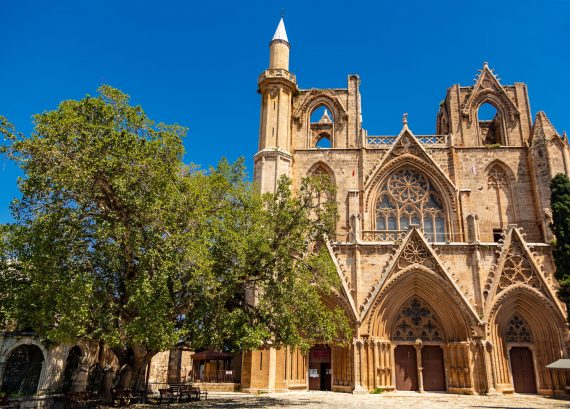
Lala Mustafa Pasha Mosque
Appearances in Several Works of Literature
The most impressive edifice in Famagusta if not the whole island, originally the Latin Cathedral of Saint Nich...
Appearances in Several Works of Literature
The most impressive edifice in Famagusta if not the whole island, originally the Latin Cathedral of Saint Nicholas and later as the Saint Sophia (Ayasofya) Mosque of Famagusta, this is the largest medieval building in Famagusta and one of the most impressive Frankish buildings still to survive in the Near East.
The Lusignan dynasty ruled as Kings of Cyprus from 1192 to 1489 and brought with them the latest French taste in construction, notably the developments in Gothic architecture.
Possibly designed by the Frenchman Jean Langlois and thought to be built on the remains of an earlier church, the cathedral was constructed from 1298 to 1312 and consecrated in 1328.
In 1372, the Lusignans would be crowned as Kings of Cyprus in the St. Sophia Cathedral in Nicosia and then crowned as Kings of Jerusalem in the St. Nicholas Cathedral in Famagusta.
The building is built in Rayonnant Gothic style, quite rare outside France. The historic tie between France and Cyprus is evidenced by its parallels to French archetypes such as the Notre-Dame de Reims. Indeed, so strong is the resemblance, that the building has been dubbed “The Reims of North Cyprus”.
Click here to read more about this attraction.
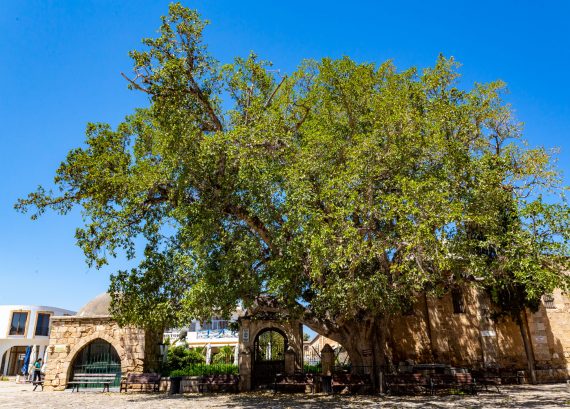
The Cumbez
Tree Huggers Favourite
This ancient colossal tree outside the entrance of the Lala Mustafa Pasha Mosque, was planted at the time when building of the original St. Nic...
Tree Huggers Favourite
This ancient colossal tree outside the entrance of the Lala Mustafa Pasha Mosque, was planted at the time when building of the original St. Nicholas Cathedral structure commenced, hence making it over 720 years of age, and the oldest living tree on the island.
The tree has many names, including Ficus sycomorus, the sycamore fig or the fig-mulberry as its’ leaves resemble those of the mulberry.
According to local folklore, there are seven trunks round the main trunk, each representing every one hundred years of its past. In the Bible, the sycomore is referred to seven times in the Old Testament and once in the New Testament.
More health-conscious visitors may also be tempted to hug the sycamore – hugging a tree increases levels of the hormone oxytocin, responsible for feeling calm, emotional bonding and general happiness.
The Cumbez is also known to absorb negative energy of its visitors and turn it into positive ones.
Amongst the shade of this simple deciduous monumental tree, time to try some local cuisine and revitalise after a very busy morning exploring.
Click here to read more about this attraction.
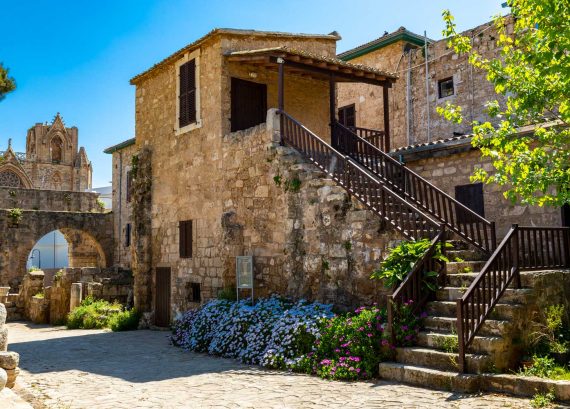
Venetian Royal Palace
Palazzo del Proveditore
Located at the western end of the Namik Kemal Square, across from the St. Nicholas Cathedral, Lusignan kings used Famagusta and th...
Palazzo del Proveditore
Located at the western end of the Namik Kemal Square, across from the St. Nicholas Cathedral, Lusignan kings used Famagusta and this palace as their second place of residence.
Used as living accommodation until the reign of Peter II in 1369 when it was partially destroyed by earthquakes, the Venetians greatly renovated the ruins in 1552 – 1554, transforming the Gothic style features and replacing them with Italian Renaissance architecture.
Upon completion, the new palace was used as the residence of the Venetian Military Governor – the Proveditore. The palace was an immense building that stood to remind the population of Famagusta of the power and influence of their Venetian governors. The door to the palace opened up onto what was once the largest central square in all of Europe.
Click here to read more about this attraction.
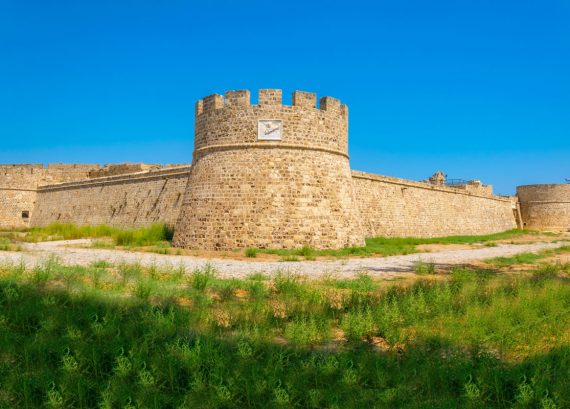
Othello’s Castle
Also known as Othello’s Tower, this famous construction was originally built as a moated citadel in order to protect Famagusta’s harbour, and was the original main entrance to the...
Also known as Othello’s Tower, this famous construction was originally built as a moated citadel in order to protect Famagusta’s harbour, and was the original main entrance to the town.
Initially named the Harbour Citadel, it was built in the 14th century by the Lusignans who ruled the Kingdom of Cyprus, and members of the royal family and their servants are believed to have lived there.
After Cyprus was sold to the Republic of Venice, they entirely remodelled the Citadel, and turned it into a military stronghold.
Othello’s Tower was known as the “impenetrable fortress” due to it being nearly impossible to attack from the deep surrounding ditches. Shakespeare’s play The Tragedy of Othello, the Moor of Venice written in 1603 is set in a harbour town in Cyprus and it is believed the great playwright took the name from this famous castle.
The mix of Venetian and Lusignan architecture inside is a prime highlight of a visit here and every stone has a different story at this ancient stronghold – you will feel obliged to view each one.
Click here to read more about this attraction.
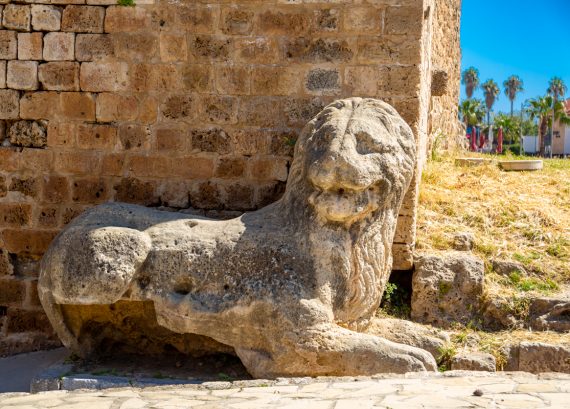
Porta Del Mare
Treasure Hunt
One of two original entrances to the old walled city of Famagusta, this gate is remarkably well- preserved.
When the Venetians took...
Treasure Hunt
One of two original entrances to the old walled city of Famagusta, this gate is remarkably well- preserved.
When the Venetians took control of Famagusta in 1489, they immediately started to strengthen the city walls in line with modern warfare and against posing enemy threats.
Fortifications continued for over 70 years, and the Sea Gate, or Porta del Mare, was one of the earliest to be completed, in 1496. Dominating the entrance is a large marble sculpture of the winged lion of St. Mark, the patron saint of Venice.
A statue of a lion near this mammoth display, brought over from Salamis by the Venetians, has a legendary tale to tell for those looking for priceless treasures!
Click here to read more about this attraction.
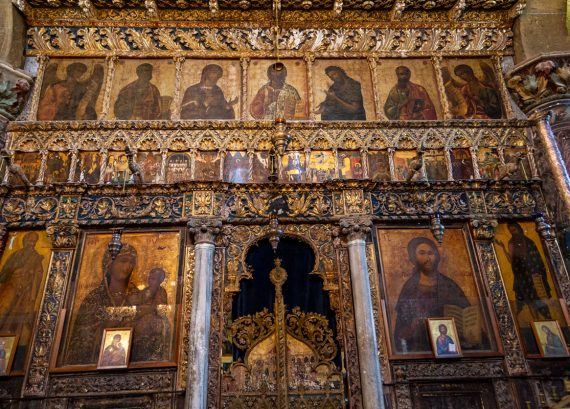
St. Mamas Monastery & Icon Museum
Highlight of Guzelyurt
As the likelihood is that you will be staying far from these two eastern towns, we are starting Day 5 a little later than usual.
Dedicated to t...
Highlight of Guzelyurt
As the likelihood is that you will be staying far from these two eastern towns, we are starting Day 5 a little later than usual.
Dedicated to the island’s beloved tax-repelling patron saint, this church was formerly the site of a pagan temple.
St. Mamas Monastery in Guzelyurt is the third most important place of worship for the Greek Orthodox in North Cyprus, after the St. Barnabas Tomb at Famagusta and the Apostolos Andreas Monastery in Karpaz. Today it also houses several significant icons and artefacts.
Most of this compound dates from the 18th century but its Iconostasis is a gorgeous sample of artful wood carving of the 16th century.
A unique combination of Gothic and Byzantine styles, it is more spacious than many other Orthodox churches on the island.
The most beautiful exhibit in the church is the magnificent crystal chandelier that hangs in the centre of the apse and surprises every visitor upon entry.
The marble sarcophagus of the Saint can be found forming part of the north wall of the church, surrounded by richly carved decorations many in the shape of ear drums, depicting scenes of excruciating martyrdom.
St. Mamas remains without doubt the most beautiful and best kept of all the Orthodox churches that are preserved as Icon Museums on the island and is the highlight of any visit to Guzelyurt.
Click here to read more about this attraction.
Museum of Archaeology and Nature
See the Pièce de Résistance.
This small museum is around the corner from the major tourist attraction of St. Mamas Church and Icon Museum.
It consists ...
See the Pièce de Résistance.
This small museum is around the corner from the major tourist attraction of St. Mamas Church and Icon Museum.
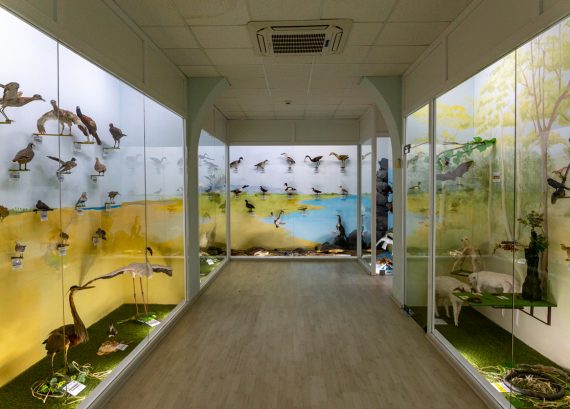
It consists of a natural history section where flora and fauna of North Cyprus are displayed, and an archaeological floor which exhibits the island’s rich historical past from the Neolithic and Bronze Ages.
Since their discovery in 2005, the ‘Golden Leaves of Soli’ have been on display at this museum and are of great archaeological importance and aesthetics. The most breath-taking of all artefacts here, these are the ethereal tiara of gold leaves, artfully and delicately intertwined.
Another important work is the 2nd century AD statue of the Anatolian Goddess Artemis of Ephesus, discovered at the Salamis ruins in 1980.
Click here to read more about this attraction.
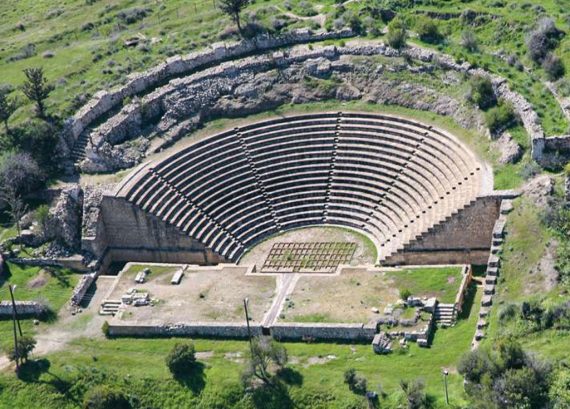
Soli Ruins
Traces of an Ancient City
This ancient settlement is one of the ten ancient kingdoms of Cyprus dating to the 6th century BC.
It is believed to have been founded by th...
Traces of an Ancient City
This ancient settlement is one of the ten ancient kingdoms of Cyprus dating to the 6th century BC.
It is believed to have been founded by the Athenians returning from the Trojan Wars in the 13th century BCE.
The city fell under the successive influence of the Hellenistic, Roman and Early Byzantine periods. In 498 BC, the people of Soli joined the other kingdoms in the Ionian Revolution against the Persians, who took the city.
The city was destroyed during the Arab raids of the 7th century, as was the fate of other coastal towns and was finally left abandoned after a millennium of continuous occupation. What remains today is an impressive collection of structures and findings.
The Roman Theatre that was discovered dates to the end of the 2nd century AD and occupies the site of the original Greek amphitheatre, on the northern slope of a hill overlooking the sea.
One of the most prestigious finds at the basilica are its’ mosaics found in the flooring, most of which have survived to the present day. The goose like swan mosaic in the floor of the nave, surrounded by floral and four small dolphins is the most recognisable and immediately catches visitor’s attention. The inscription in the mosaic set reads, “Christ! Mercy to those who have created this mosaic”.
The traces of the ancient city stretch over a wide area and have still not been fully uncovered. This all adds to the mystery when discovering this archaic site.
Click here to read more about this attraction.
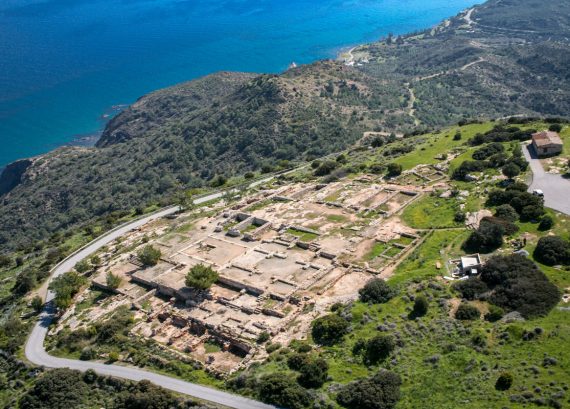
Vouni Palace
The Stone of Vouni
This small township grouped on the steep slopes of a conical hill watched over the city kingdom of Soli near Lefke for over a century.
Excavations ...
The Stone of Vouni
This small township grouped on the steep slopes of a conical hill watched over the city kingdom of Soli near Lefke for over a century.
Excavations have shown different construction periods. Within the initial construction in 500 BC, the core of the palace was built.
During Greek rule, the palace’s eastern architectural features were replaced, and major alterations were made. It is during this phase that the palace adopted its final character which differed from that of the initial build.
A temple devoted to Athena is perched at the very top of the hill, towards the southern extremity of the plateau.
The large standing stone stele standing by the cistern in the courtyard has become the symbol of Vouni – looking closely at the centre will reveal an unfinished carved face, thought to be a goddess.
This palace was a building of great wealth and luxury, and other than groups of sculptures and works of art, great ‘Vouni Treasures’ have since been discovered here.
The ruins may seem sparse however the views from the hilltop are truly glorious and well worth the trip. Even visitors with no greater interest in ancient remains appreciate that Vouni is a place for reflection such is its magnificent location perched so high, with unrivalled 360-degree views.
Take your time here, explore the site, but also make sure you soak up the surrounding views as these are mostly certainly some of the best in North Cyprus.
Click here to read more about this attraction.
Petra Tou Limnidi
Island from the Neolithic period
From the Palace of Vouni you will have seen this small yet immense island.
The Petra tou Limnidi, a small rock just across the water,...
Island from the Neolithic period
From the Palace of Vouni you will have seen this small yet immense island.
The Petra tou Limnidi, a small rock just across the water, is the site of the first settlement in Cyprus.
This is one of the oldest places in Cyprus to be inhabited, and was excavated at the same time as Vouni, with artifacts found from the pre-pottery Neolithic Period.
Journey to the shoreline for a close up of the rocky island where remains have been found of two primitive huts and other archaeological findings.
Click here to read more about this attraction.
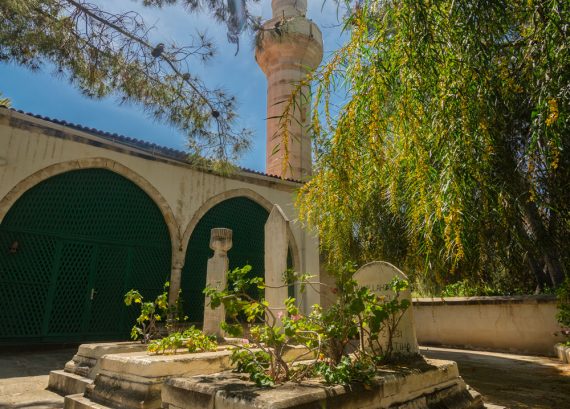
Piri Mehmet Pasha Mosque
Great Ottoman Tombs
Initially a church, this historic build later twice converted into an Islamic house of worship.
During the rule Byzantium rule of Cyprus, the chu...
Great Ottoman Tombs
Initially a church, this historic build later twice converted into an Islamic house of worship.
During the rule Byzantium rule of Cyprus, the church of St. George was erected at this site, the exact date unknown.
Travelling from the main road up towards the village of Lefke, you will come across this structure also referred to YukariMosque and MinareliMosque.
From the 7th to 10th century the island was repeatedly subject to Arab raids, after which this church was converted into a mosque – however over the years the site fell into disrepair from neglect.
When the Ottoman Empire extended their stronghold onto the island in 1571, the neglected mosque was instructed to be rebuilt.
The mosque is built on an octagon body in a typical Ottoman architectural style, with three arches at the front and five on the sides – the front arches sit on columns. The mosque is also the only in Lefke which reveals a dome, built from hewn stone.
In the gardens of this mosque you will also come across two graves, one in particular is one of the best examples of an Ottoman tomb, its artwork decorated with nature motifs.
Click here to read more about this attraction.